The History, Development, and Evolution of Composite Material Art
Mixed media art is not a fixed artistic style but rather a way of creating art that constantly breaks through the boundaries of traditional media. It can use different mediums such as painting, paper, wood, metal, fabric, photographs, prints, industrial materials, household items, natural materials, images, sound, digital technology, and even artificial intelligence.
From the early 20th century to the present, the development of integrated material art has actually reflected the continuous exploration of a core issue by modern art and contemporary art:
What material must art be made of?
From the initial practice of pasting newspapers onto canvas to the later use of industrial products, waste materials, architectural spaces, images, and electronic devices, to today’s use of algorithms, artificial intelligence, and virtual spaces, synthetic material art has continuously expanded the definition of “artistic material,” and has also continuously changed people’s understanding of works of art.
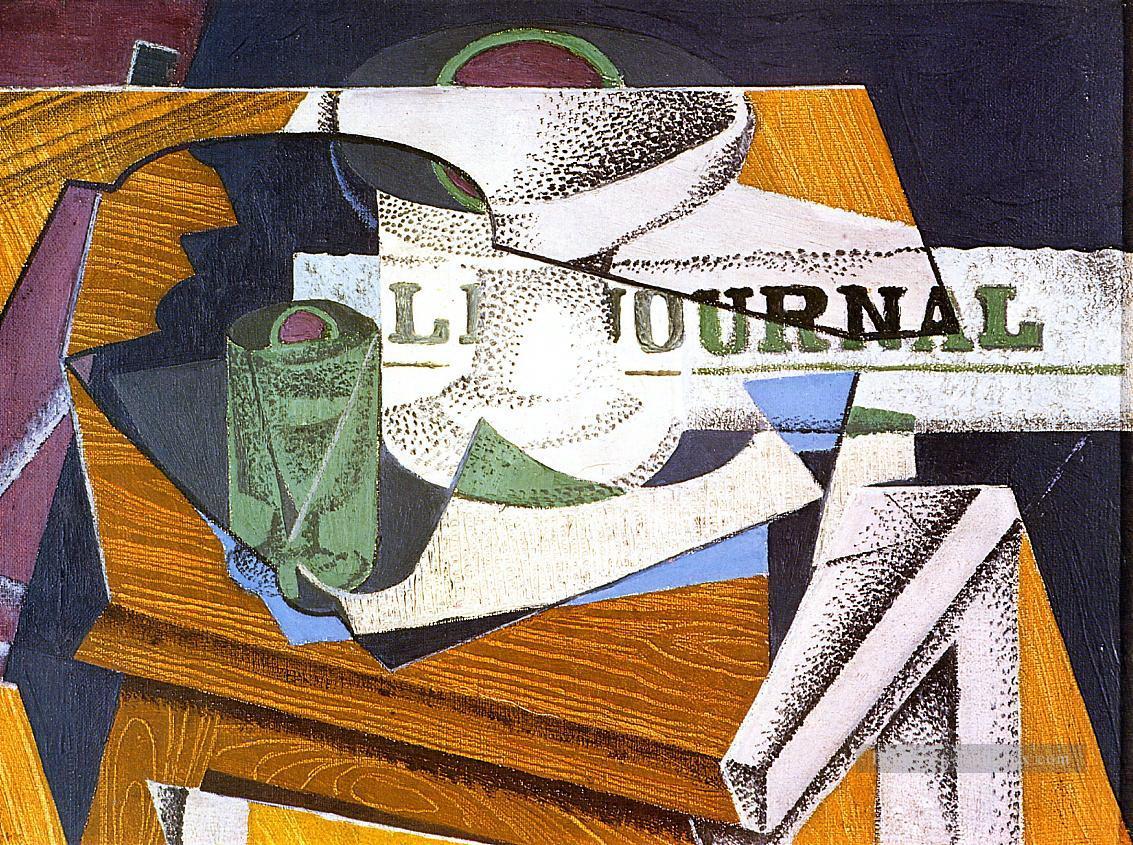
First phase: 1900–1915
Cubism and collage—The germination of integrated material art
Second phase: 1916–1930s
Dadaism and ready-made art—redefining what can be considered art
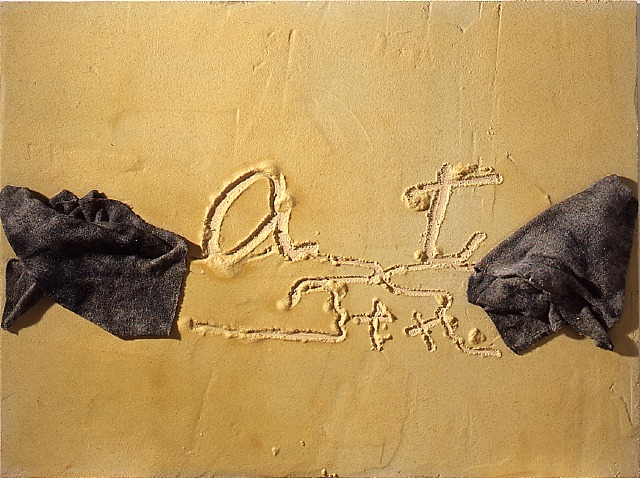
Third Stage: 1940s–1950s
Abstract Expressionism—Materials, Movement, and the Creative Process
From Material Experimentation to Space and Concept—A Comprehensive Extension of Integrated Material Art
Fourth stage: 1950s–1960s
New Dada, Art of the Collective and Pop Art—Mass Culture Entering the Art World
Phase Five: 1960s–1980s
Installation art, environmental art, and conceptual art—art that breaks out of the box of painting
Phase 6: 1980–2000
Comprehensive Material Expansion—Cultural, Identity, and Social Issues Enter the Works
Seventh phase: 1990–2010
Digital technology and traditional materials are starting to merge.
Digitalization and Intelligence—Integrated Material Art Transcends the Material World and Blends with Reality
Seventh phase: 1990–2010
In the late 20th century, computers, digital technologies, and traditional materials began to merge. Photography, video, projection, and the Internet rapidly developed.
Phase 8: 2010 to present
VR, AR, AI and intelligent materials—Integrated material arts enters a new stage